
Natural Dyeing: Traditional Andean Textile Pigments
For centuries, the textile artists of Peru and Ecuador have looked to their native landscape to color their hand-spun wool and cotton yarns. While modern synthetic dyes have become common, the revival of traditional natural dyeing techniques has highlighted the unique utility of local flora, including the outer skins of columnar cacti like the Trichocereus family.
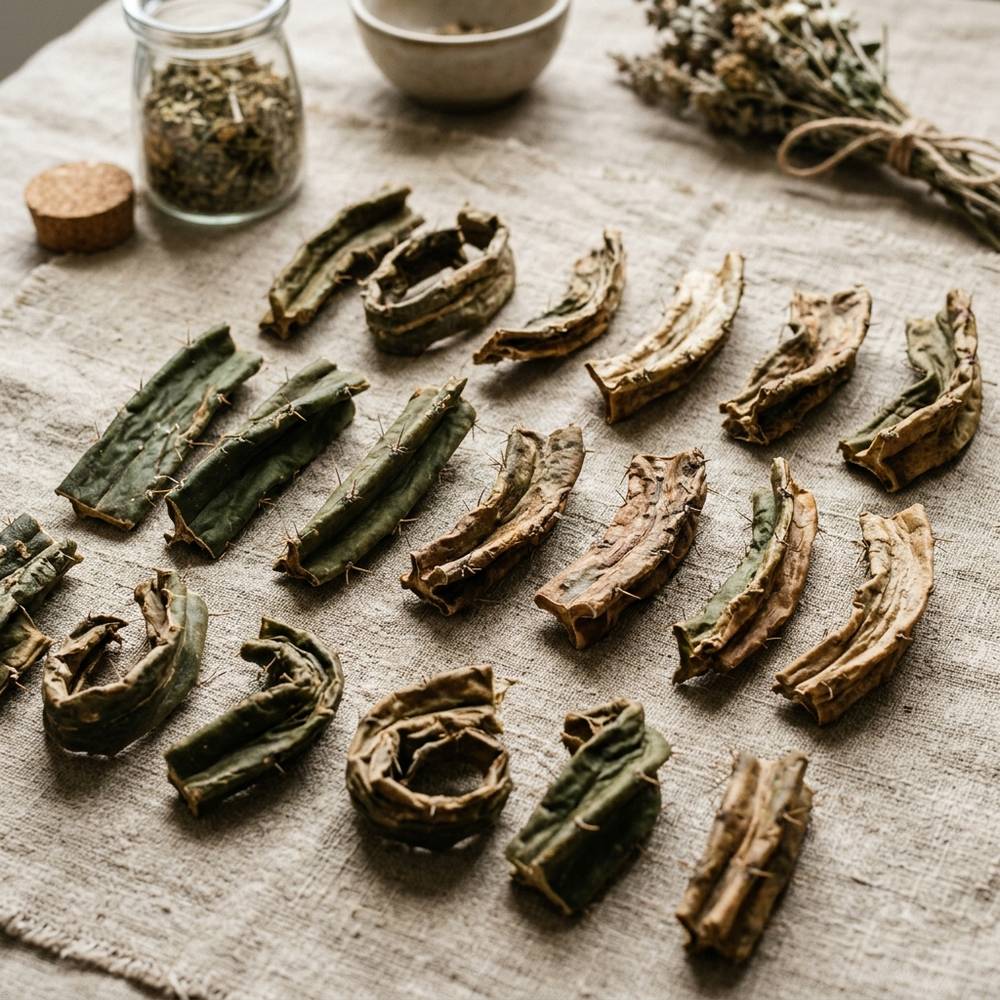
The Green Pigments of Echinopsis pachanoi
The outer green layer of the San Pedro cactus contains a high concentration of chlorophyll and organic compounds that yield soft, natural green, sage, and pale olive colors. Because these pigments are plant-derived, they are completely biodegradable, non-toxic, and bond exceptionally well to natural protein fibers such as alpaca and sheep wool.
The Natural Dyeing Process
To extract dyes from dried cactus skins, traditional weavers follow a series of precise steps:
- Preparation: The dehydrated skin is either soaked overnight to soften or ground into a fine powder to increase surface area contact.
- Extraction: The material is simmered in water for 1 to 2 hours, releasing the pigments and turning the liquid a deep, olive-green color.
- Mordanting: Natural mineral mordants, such as alum (potassium aluminum sulfate) or iron rust water, are added to the bath. The mordant is crucial as it creates a chemical bond between the pigment molecules and the wool fibers, ensuring the color is lightfast and washfast.
- Color Modification: By altering the pH of the bath (using lime juice to make it acidic or wood ash to make it alkaline), weavers can shift the colors from light lime-yellows to deep forest greens.
By incorporating sustainable plant powders into natural dyeing, modern artisans preserve historical textile techniques while cultivating a clean, chemical-free craft system.